

Tankers & Freight Markets
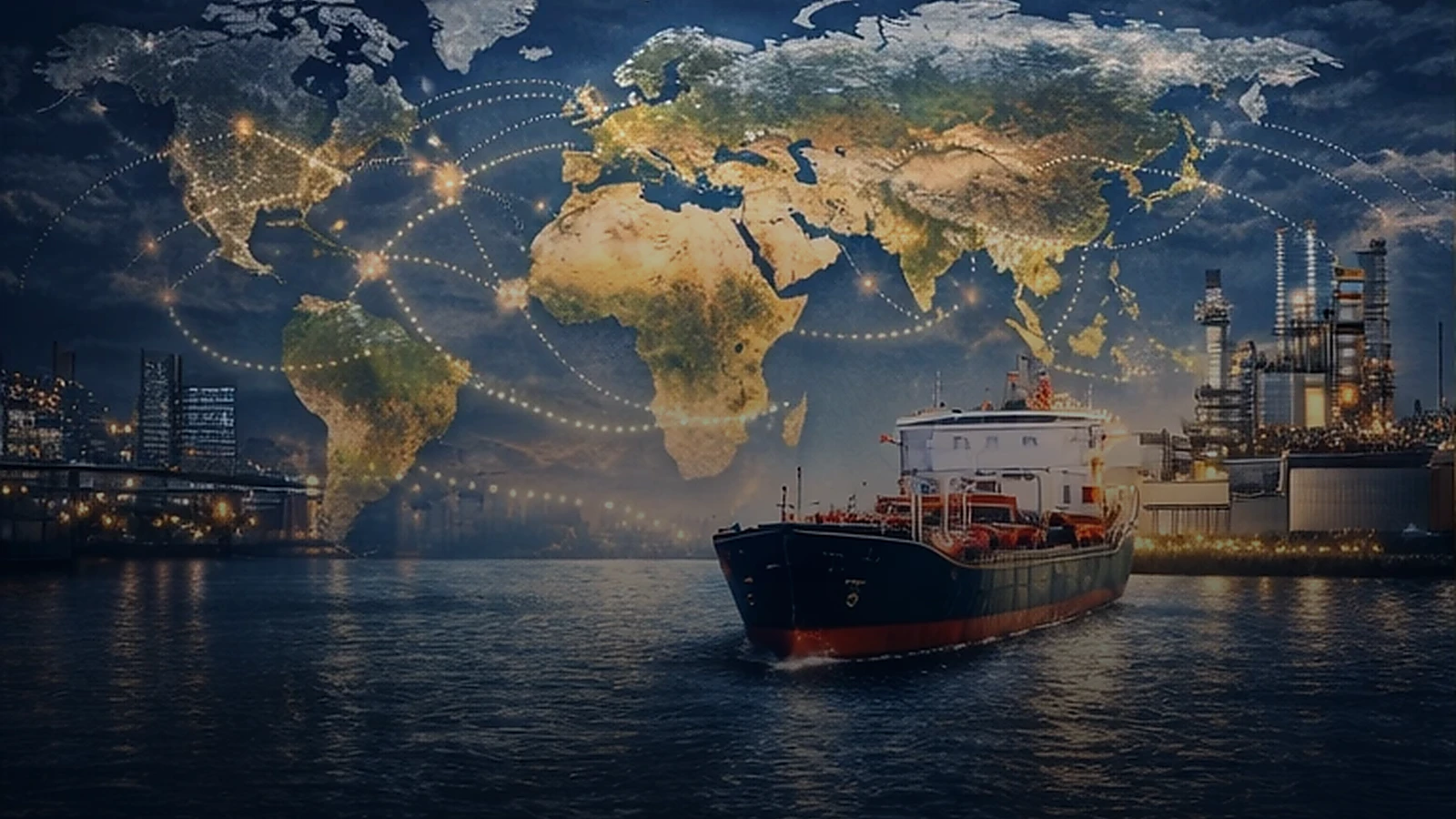
Ocean tankers move the largest intercontinental energy and feedstock flows. Scale is their strength; chokepoints, insurance and rerouting are their main risks.
This subpage looks at cost, risk, contract logic, bottlenecks and energy-security implications along the respective transport chain. What matters is not only the mode itself but also terminal quality, documentation, timing and the ability to reroute when conditions change.
For investors, traders and industrial buyers, physical logistics often decide whether a theoretical price advantage can actually be monetised. That is why markt-trends.de links price logic, route risk and execution quality.
Key themes
Scale
VLCC, Suezmax, Aframax, MR/Handy and LNG carriers determine cost per tonne and destination optionality.
Core risks
Hormuz, Suez, Bab el-Mandeb, Panama, sanctions, weather and port congestion can reprice cargoes quickly.
Investor angle
Terminals, vessel availability, demurrage control and route optionality become valuable in volatile markets.
Market and contract logic
Mode logic
VLCC, Suezmax, Aframax, MR/Handy and LNG carriers determine cost per tonne and destination optionality.
Mode logic
Hormuz, Suez, Bab el-Mandeb, Panama, sanctions, weather and port congestion can reprice cargoes quickly.
More logistics subpages
Road Distribution & Last-Mile Supply
Road transport is the most flexible inland mode for fragmented customer structures, multi-drop distribution and fast allocation changes.

Rail Corridors & Bulk Inland Flows
Rail works best where flows are repetitive, long-haul inland and linked to industrial terminals, ports or large production sites.
Pipelines, Base-Load Supply & Strategic Routes
Pipelines deliver continuous large-volume flows of crude, products and gas at low unit cost, but only where politics, permitting and route stability hold.

Tank Storage, Terminals & Turnaround
In tight markets, tank availability, heating capability, line compatibility and berth speed can matter more than headline origin price.
Intermodal Logistics, Barges & Inland Waterways
Barges and inland waterways connect seaports with hinterland industry at lower unit cost than trucks, but water levels and network depth matter enormously.

Parcel Trade vs Full Cargo
Not every market works on full cargoes. Parcel economics, shared vessels and multi-stop routing often decide whether a niche flow is viable.